Office Cleaning in Modern Workplaces: Creating Healthier, More Productive Environments
Why Office Cleaning Matters for Every Workplace

Office cleaning is more than a visual detail; it is a core part of maintaining a professional, healthy, and efficient workplace. When employees arrive each day, the condition of the office shapes how they feel, how they work, and how clients perceive the business. A clean workplace supports productivity, reduces distractions, and helps create a welcoming atmosphere for everyone who enters.
Many organizations underestimate how much office cleaning contributes to daily operations. Dust on surfaces, clutter in shared rooms, and neglected restrooms can quickly become barriers to comfort and focus. On the other hand, a tidy and sanitized office can reinforce organization, reduce absenteeism, and make a business appear more trustworthy. This is why office cleaning services are often considered essential rather than optional.
Businesses of all sizes benefit from a structured approach to office cleaning. Whether it is a small suite, a corporate headquarters, or a co-working space, every environment needs a plan that supports cleanliness, hygiene, and consistency. The goal is not simply to make the office look nice, but to create a healthier environment where employees can thrive and clients feel confident.
The Real Value of Office Cleaning for Daily Operations
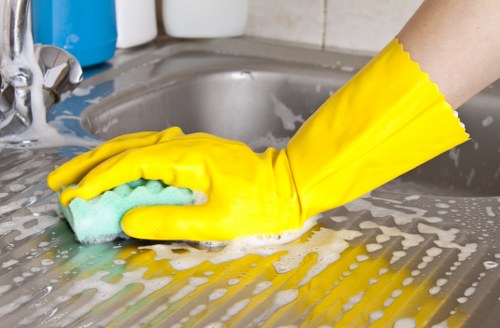
One of the biggest advantages of regular office cleaning is the impact on day-to-day workflow. A clean workspace reduces time wasted looking for items, moving clutter, or dealing with messes that interrupt concentration. Employees can focus better when desks, meeting rooms, and communal areas are organized and well-maintained.
There is also a strong connection between office cleanliness and workplace morale. People naturally feel more comfortable in spaces that are fresh, orderly, and sanitary. When an employer invests in professional office cleaning, it sends a clear message: the well-being of the team matters. That message can influence satisfaction and even retention over time.
Office cleaning also supports a company’s brand image. Clients, partners, and vendors often form impressions within the first few moments of entering a workplace. Clean floors, polished surfaces, and odor-free rooms communicate care and professionalism. In competitive industries, those subtle details can make a meaningful difference.
Health Benefits of a Clean Office Environment
Health is one of the most important reasons to prioritize office cleaning. Shared workspaces can quickly accumulate germs, dust, allergens, and other contaminants. High-touch areas such as door handles, elevator buttons, light switches, and communal equipment can become hotspots for bacteria if not cleaned regularly.
Proper office cleaning services help reduce the spread of illness by sanitizing these commonly used surfaces. This can be especially important during flu season or in environments with many employees coming and going throughout the day. A healthier office means fewer sick days and a more dependable workforce.
Air quality is another major factor. Dust, pollen, and debris can accumulate in carpets, vents, and upholstery, affecting people with allergies or respiratory sensitivities. Effective office cleaning includes dusting, vacuuming, and routine maintenance that helps improve indoor air quality and overall comfort.
Key hygiene-focused cleaning priorities
- Disinfecting high-touch surfaces regularly
- Cleaning restrooms and breakrooms thoroughly
- Vacuuming carpets and mats to remove allergens
- Dusting desks, shelving, and electronics carefully
- Maintaining trash removal and odor control
What Professional Office Cleaning Typically Includes
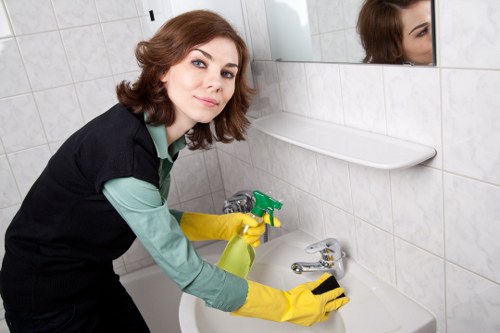
Professional office cleaning usually covers a wide range of tasks tailored to the needs of the space. While every workplace is different, most services include routine cleaning of common areas, workstations, restrooms, kitchens, and entryways. The frequency may vary depending on the number of employees, foot traffic, and industry requirements.
Typical tasks may include vacuuming carpets, sweeping and mopping floors, sanitizing desks, emptying trash bins, wiping down shared surfaces, polishing glass, and replenishing consumables like soap and paper towels. Many providers also offer deeper services such as carpet care, floor stripping, window cleaning, and periodic disinfection.
Office cleaning plans are often built around convenience and consistency. A reliable cleaning schedule helps ensure the space always feels maintained without interrupting business operations. Services can be performed after hours, early in the morning, or at other times that minimize disruption.
Common areas that need regular attention
- Reception and lobby spaces
- Conference and meeting rooms
- Private offices and cubicles
- Breakrooms and kitchenettes
- Restrooms and changing areas
Office Cleaning Strategies for Different Types of Workplaces
Not every business needs the same cleaning plan. A law office, medical practice, real estate agency, and creative studio all have unique patterns of use. That is why effective office cleaning should be customized to match the layout, traffic levels, and sanitation needs of the workplace.
For example, a high-traffic office may require daily cleaning of restrooms, lobbies, and break areas, while a smaller administrative office may only need periodic deep cleaning and weekly maintenance. Shared desks and hot-desking environments often need extra sanitizing because more people touch the same surfaces during the week.
Businesses with sensitive materials or client-facing spaces may also need special protocols. In these cases, office cleaning should protect both the cleanliness of the environment and the privacy of documents and equipment. This is why many companies choose trained cleaning professionals who understand how to work carefully and efficiently.
Cleaning priorities by office type
- Corporate offices: focus on shared spaces, meeting rooms, and high-touch sanitation
- Medical offices: emphasize infection control and strict disinfection routines
- Creative studios: prioritize dust control, equipment care, and clutter management
- Small businesses: often benefit from flexible schedules and targeted cleaning plans
How Office Cleaning Improves Productivity and Focus

A clean office has a direct effect on productivity. When desks are clutter-free and spaces are orderly, employees can start tasks faster and maintain better focus. Visual distractions, unpleasant odors, and dirty surroundings all compete for attention, making it harder to stay engaged in work.
Office cleaning supports efficiency in subtle but powerful ways. A clean environment reduces the mental strain that comes from working in disorder. People feel more in control of their tasks when their surroundings are well maintained. This creates a more positive rhythm throughout the workday.
There is also a practical connection between cleanliness and reduced downtime. Spills, dust buildup, and restroom issues can lead to interruptions that affect the whole team. With reliable office cleaning, these problems are handled proactively rather than reactively, allowing work to continue with fewer delays.
Productivity benefits to expect
- Less time spent organizing clutter
- Fewer workplace interruptions
- Improved concentration in shared areas
- Greater comfort during long work hours
- More professional meeting and client interactions
Choosing the Right Office Cleaning Approach
Finding the right office cleaning approach starts with understanding your workspace. Consider the number of employees, the amount of foot traffic, the type of flooring, and the presence of shared equipment. These factors all influence how often cleaning should happen and which tasks should be prioritized.
Some organizations prefer in-house cleaning staff, while others rely on outsourced office cleaning providers. Each option has advantages. In-house teams may offer greater day-to-day familiarity, while professional cleaning companies often bring specialized tools, training, and flexible service levels. The best choice depends on budget, expectations, and operational needs.
It is also important to set clear standards. Office cleaning works best when there is a defined scope of work, a checklist of tasks, and a schedule that matches the business’s rhythm. When expectations are clear, cleanliness becomes consistent rather than occasional.
Important selection factors
- Experience with commercial and office environments
- Use of safe and effective cleaning products
- Ability to work around your schedule
- Consistency in service quality
- Flexibility for deep cleaning or special requests
Office Cleaning and Workplace Safety
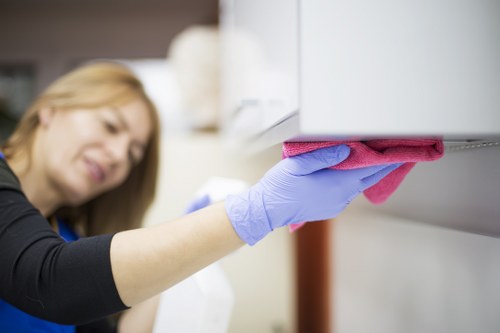
Safety is another major reason office cleaning should be taken seriously. Slippery floors, blocked walkways, overfilled trash bins, and dusty vents can all create hazards. A clean office helps reduce the risk of slips, trips, falls, and other avoidable workplace incidents.
Beyond physical hazards, office cleaning also contributes to compliance with general sanitation expectations. Businesses that maintain clean restrooms, kitchens, and shared spaces demonstrate a commitment to responsible operations. This can be especially important in offices that host visitors, clients, or staff with varying health sensitivities.
Office cleaning supports a safer environment by identifying issues early and keeping the workplace in good condition. Regular inspections and ongoing maintenance can prevent small problems from becoming costly repairs or disruptions later on.
Safety-related cleaning practices
- Clear spills promptly and mark wet areas when needed
- Keep aisles, exits, and hallways free from clutter
- Maintain clean floors to reduce slip risks
- Disinfect shared equipment and seating areas
- Dispose of waste correctly and regularly
Best Practices for a High-Standard Office Cleaning Routine
Creating an effective office cleaning routine requires more than occasional attention. It begins with daily maintenance, continues with weekly tasks, and includes periodic deep cleaning. This layered approach helps keep the workplace presentable and sanitary throughout the year.
Start with the essentials: empty trash, clean restrooms, sanitize surfaces, and keep entry areas tidy. Then add weekly duties such as dusting blinds, wiping baseboards, cleaning appliance exteriors, and polishing glass. Monthly or quarterly deep cleaning can address areas that are often overlooked, such as vents, upholstery, and carpets.
Office cleaning becomes more effective when employees also participate in small ways. Simple habits like clearing desks, washing dishes, and tidying shared areas help maintain standards between professional cleaning visits. A culture of cleanliness makes every cleaning effort more successful.
Routine checklist ideas
- Daily: trash removal, surface wiping, restroom sanitation
- Weekly: floor care, dusting, kitchen cleaning
- Monthly: deep cleaning of carpets, vents, and furniture
- Seasonal: window washing, specialized disinfection, full refreshes
Small habits that make a big difference
Clear desks at the end of the day. Keep shared spaces neat. Report spills or damage quickly. These simple actions support a cleaner and more professional workplace.
Why Businesses Are Investing More in Office Cleaning
In today’s workplace, the expectations around cleanliness have increased. Employees are more aware of hygiene, clients notice environmental quality more readily, and businesses understand the connection between cleanliness and performance. As a result, office cleaning has become a strategic investment rather than a background task.
Companies that prioritize office cleaning often see benefits in culture, brand reputation, and operational stability. A cleaner environment can help attract talent, improve client confidence, and make staff feel more valued. These are long-term advantages that go far beyond appearances.
As workplace trends continue to evolve, office cleaning will remain essential for maintaining standards in both traditional and flexible work settings. Offices must be ready to support hybrid schedules, shared spaces, and higher expectations for sanitation. That means cleaning needs to be proactive, not reactive.
Book your service now and make office cleanliness a consistent part of your workplace success. If your business wants a healthier, more polished environment, contact us today and take the next step toward reliable office cleaning.
Conclusion: A Cleaner Office Is a Smarter Business Decision
Office cleaning plays a vital role in how a business looks, feels, and functions. It supports employee well-being, improves productivity, enhances safety, and leaves a positive impression on everyone who enters the space. Clean offices are not just more pleasant; they are more effective environments for work.
Whether your workplace needs daily maintenance, periodic deep cleaning, or a customized schedule, investing in office cleaning is one of the most practical decisions a business can make. It helps create a professional setting where people can focus, collaborate, and perform at their best.
If your goal is to build a workplace that reflects quality and care, make cleanliness a priority. Contact us today or book your service now to keep your office fresh, healthy, and ready for success.