Insurance and Safety
 Keeping people, property, and operations protected starts with a clear approach to insurance and safety. Whether a business is large or small, the right safeguards help reduce disruption, support compliance, and build confidence in day-to-day work. A strong insurance and safety policy is not just about responding to incidents; it is about preventing them, preparing for them, and making sure responsibilities are understood across the organisation.
One of the key foundations is public liability insurance. This cover is designed to protect against claims if a third party suffers injury or property damage linked to your activities. In busy workplaces, shared spaces, or customer-facing environments, public liability cover can be essential. It helps businesses manage the financial impact of unexpected events and supports continuity when a claim arises. By combining insurance protection with practical safety controls, companies can operate with greater resilience and peace of mind.
Alongside insurance cover, staff training plays a major role in maintaining a safe environment. Employees need to understand safe working methods, emergency procedures, reporting routes, and the correct use of equipment. Training should not be treated as a one-off task; instead, it should be refreshed regularly so that knowledge stays current. Well-informed teams are more likely to spot hazards early, follow procedures consistently, and contribute to a stronger safety culture. This is especially important in workplaces where tasks, tools, or environments change frequently.
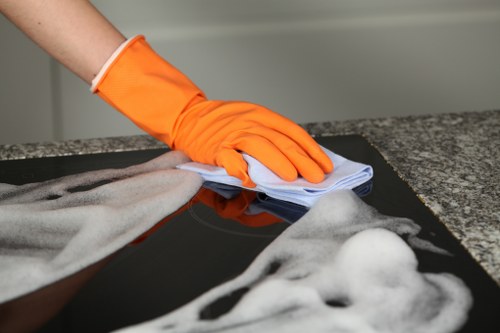
 A practical safety framework also depends on the correct use of PPE, or personal protective equipment. PPE can include items such as gloves, helmets, eye protection, high-visibility clothing, footwear, and respiratory protection depending on the task involved. The key is ensuring that equipment is suitable for the work, properly maintained, and worn correctly. PPE should always support wider controls rather than replace them. For example, hazard elimination, engineering controls, and safe systems of work should come first, with PPE used where residual risk remains.
In effective insurance and safety management, selecting the right PPE involves more than handing out equipment. Employers should assess the hazards, identify what protection is needed, and make sure staff understand why the equipment matters. Fit and comfort are also important because poorly fitting PPE is less likely to be used consistently. Clear instructions, regular checks, and replacement procedures help keep equipment effective. Where required, signs and labels should reinforce the expectation that protective equipment must be used in designated areas or during specific tasks.
 A robust risk assessment process is central to managing safety in a structured way. It begins with identifying hazards, then evaluating who may be harmed and how serious the harm could be. From there, suitable control measures are introduced, recorded, and reviewed. This process should reflect the actual work being done, not a generic template alone. In practice, good risk assessments help businesses prioritise resources, reduce uncertainty, and create safer working conditions. They also provide a clear record of the steps taken to manage foreseeable risks.
To be truly effective, the risk assessment process should be continuous. Workplaces change, new equipment is introduced, and staff may rotate between tasks, so assessments must be updated when circumstances shift. A strong process includes regular reviews, incident follow-up, and communication with those carrying out the work. Insurance and safety are closely connected here: thorough assessments can help reduce the likelihood of claims, while appropriate insurance provides a financial backstop if something still goes wrong. Together, they create a more balanced and reliable protection strategy.
Documentation also matters. Records of training, PPE issue, inspections, maintenance, and risk assessments help demonstrate that safety responsibilities are being addressed properly. These records should be easy to understand and kept up to date. They support accountability and help managers identify patterns, such as repeated hazards or areas where extra controls are needed. A well-organised system makes it easier to act quickly and confidently when something changes. It also helps reinforce the message that safety is part of everyday operations, not an occasional concern.
 Another important part of an insurance and safety policy is making sure everyone understands their role. Managers must lead by example, supervisors should monitor compliance, and staff should feel able to raise concerns without hesitation. This shared responsibility supports a proactive culture where risks are noticed early and addressed before they escalate. Consistent communication, visible leadership, and practical procedures all help to keep standards high.
 Finally, an effective approach to public liability insurance, staff training, PPE, and the risk assessment process gives organisations a stronger basis for long-term safety. By combining careful planning with suitable cover, businesses can better protect people and assets while keeping operations running smoothly. The aim is not only to respond when problems occur, but to create conditions where incidents are less likely in the first place. A committed approach to insurance and safety is an investment in stability, responsibility, and operational confidence.