Mattress Cleaning in Your Home: How to Keep Bedding Fresh, Healthy, and Long-Lasting
Mattress cleaning is one of the most overlooked parts of home care, yet it plays a major role in creating a healthier and more comfortable sleeping environment. While many people wash sheets regularly, the mattress itself often collects dust, sweat, dead skin cells, allergens, and odors over time. Proper mattress cleaning helps extend the life of your bed, improves indoor hygiene, and supports better sleep quality. Whether you are dealing with everyday buildup or stubborn stains, knowing how to approach mattress cleaning in a practical way makes a noticeable difference.
For homeowners, renters, families, and anyone who wants a cleaner bedroom, mattress cleaning should be part of a consistent routine. A clean mattress does more than look and smell better; it can also reduce triggers for allergies and create a more restful sleep space. From simple vacuuming and deodorizing to deeper stain removal methods, mattress cleaning can be done effectively with the right techniques and products.
In this article, we will look at why mattress cleaning matters, how often it should be done, which methods work best, and how to care for different mattress materials. You will also learn practical steps for stain removal, odor control, and long-term mattress maintenance. If you want to improve your sleep environment and protect your investment, mattress cleaning is a smart place to start.
Why Mattress Cleaning Matters for Every Home
Your mattress is used for roughly one-third of your life, which means it naturally becomes a place where dust, sweat, and microscopic debris collect. Over time, these particles settle into the fabric and inner layers of the mattress, creating a less hygienic sleeping surface. Regular mattress cleaning helps remove buildup that can affect comfort, cleanliness, and overall sleep quality.
One of the biggest reasons people invest in mattress cleaning is to reduce allergens. Dust mites, pet dander, pollen, and other common irritants can accumulate in bedding materials and trigger sneezing, congestion, or itchy eyes. For people with sensitivities, keeping a mattress clean can make sleeping much more comfortable.
There is also a practical benefit: a well-maintained mattress lasts longer. Dirt and moisture can break down materials over time, causing premature wear, unpleasant smells, and visible staining. By making mattress cleaning part of your routine, you help preserve the structure and freshness of your bed for years to come.
How Often Should Mattress Cleaning Be Done?
The ideal schedule for mattress cleaning depends on the home, the type of mattress, and how much daily use it gets. As a general rule, light cleaning should be done regularly, while deeper cleaning can be done a few times a year. A consistent schedule makes mattress maintenance easier and prevents buildup from becoming a bigger problem.
For most households, vacuuming the mattress every one to two months is a good starting point. This helps remove dust, hair, and surface debris before they settle deeper into the fabric. If you have allergies, pets, or children, you may want to vacuum more often.
Deeper mattress cleaning, including stain treatment and deodorizing, is often recommended every three to six months. This allows you to address any odors, moisture spots, or hidden buildup that vacuuming alone cannot handle. Regular care is always easier than emergency cleaning, especially when dealing with fresh spills or body fluids.
Situations That Call for Extra Mattress Cleaning

Some situations require more frequent attention. For example, after illness, accidents, hot weather, or a move into a new home, mattress cleaning may need to happen sooner. If you notice odors, discoloration, or increased allergy symptoms, it is usually a sign that your mattress needs attention right away.
In shared households, children’s rooms, guest beds, and pet-friendly spaces often need more frequent mattress cleaning. The more activity a mattress sees, the more often it should be refreshed.
Keeping a simple cleaning routine makes it easier to stay ahead of dirt and moisture. Even a quick monthly check can help you spot early signs of stains or smells before they become harder to remove.
Essential Tools and Supplies for Mattress Cleaning
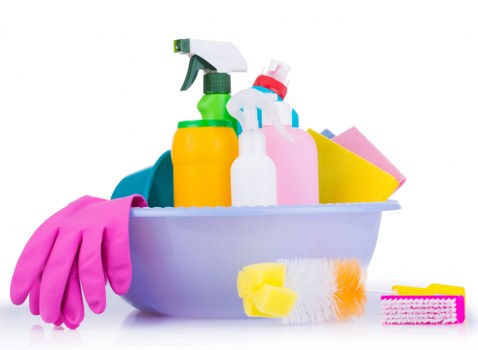
Before starting mattress cleaning, it helps to gather a few basic tools. Having the right supplies ready saves time and improves results. You do not need expensive equipment for routine care, but using the right products will make the process much smoother.
Common mattress cleaning supplies include a vacuum cleaner with an upholstery attachment, baking soda, clean microfiber cloths, mild liquid detergent, white vinegar, a spray bottle, and a soft brush. Depending on the type of stain, you may also need enzyme-based cleaners or a fabric-safe stain remover. Always check product labels before applying anything to the mattress surface.
It is also a good idea to keep your mattress protector in mind. A protector can reduce the amount of dirt and liquid that reaches the mattress, making future mattress cleaning easier. Prevention and maintenance work best together when you want a cleaner sleep space.
Helpful Supplies Checklist

- Vacuum cleaner with upholstery attachment
- Baking soda for deodorizing
- Microfiber cloths or soft towels
- White vinegar for mild odor and stain treatment
- Mild detergent or upholstery-safe cleaner
- Spray bottle for controlled application
- Soft-bristled brush for gentle scrubbing
- Mattress protector for future prevention
Using these items carefully can make mattress cleaning efficient without damaging the material. The goal is always to clean thoroughly while avoiding excess moisture.
Step-by-Step Mattress Cleaning at Home
Basic mattress cleaning does not need to be complicated. With a methodical approach, you can refresh your mattress and improve its appearance and smell. The steps below are suitable for routine maintenance and light dirt buildup.
Step 1: Remove bedding. Take off all sheets, pillowcases, blankets, and mattress protectors. Wash them separately according to their care labels. Starting with a bare mattress gives you full access to the surface.
Step 2: Vacuum the entire surface. Use the upholstery attachment to vacuum the top, sides, seams, and corners. This removes dust, skin cells, and loose debris that would otherwise remain trapped in the fabric.
Step 3: Spot clean stains. Apply a small amount of mild cleaner to a cloth, not directly onto the mattress. Blot the stain gently instead of rubbing, which can spread the mark or push it deeper into the fibers. For liquid spills, absorb as much moisture as possible first.
Step 4: Deodorize with baking soda. Sprinkle a thin layer of baking soda over the mattress and let it sit for several hours. Baking soda helps absorb odors and moisture. Afterward, vacuum it thoroughly.
Step 5: Air dry completely. Before replacing bedding, make sure the mattress is fully dry. Good airflow is essential. Open windows, run a fan, or let the room ventilate naturally.
These simple steps create a strong foundation for regular mattress cleaning and help maintain a cleaner sleeping environment.
Why Moisture Control Is So Important
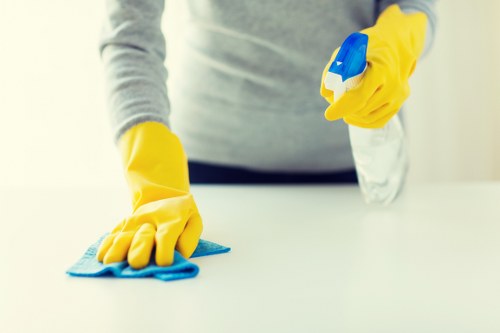
One of the most important parts of mattress cleaning is avoiding too much moisture. Mattresses are designed to absorb some pressure, not liquids. When excess water soaks into the core, it can lead to mold, mildew, and long-lasting odors. That is why blotting is better than scrubbing, and why drying time should never be rushed.
Moisture control also helps protect the internal layers of the mattress. Foam, latex, and hybrid structures can be damaged if they stay damp too long. In mattress cleaning, the quality of drying is just as important as the cleaning itself.
How to Handle Common Mattress Stains
Different stains require slightly different mattress cleaning methods. The sooner you treat a stain, the easier it is to remove. Acting quickly prevents the mark from setting and reduces the chance of odor or discoloration.
Sweat stains are among the most common. These often appear as yellowish areas over time. A gentle mix of mild detergent and water, applied with a cloth and blotted carefully, can help lift the residue. Let the area dry fully afterward.
Urine stains need fast action. First blot up as much liquid as possible. Then use an enzyme-based cleaner or a vinegar-and-water solution if appropriate for the mattress type. Enzyme cleaners are often effective because they break down organic material and odor-causing compounds.
Blood stains should be treated with cold water rather than warm water, which can set the stain. Use a lightly damp cloth to blot the area. If needed, apply a small amount of hydrogen peroxide to a hidden spot first to check for fabric safety. Always test any solution before broader use.
Food and drink stains often respond well to mild soap and water. Coffee, tea, or juice can leave visible marks, so early treatment matters. Again, the goal in mattress cleaning is to use minimal moisture and gentle pressure.
Quick stain-handling tips
- Blot, do not rub
- Use very small amounts of cleaning solution
- Test cleaners on an inconspicuous area first
- Allow complete drying before remaking the bed
- Repeat treatment only when necessary
With a careful approach, many common stains can be reduced significantly without harming the mattress surface.
Mattress Cleaning for Different Mattress Types
Not all mattresses respond the same way to cleaning. The materials used in the mattress affect how much moisture it can handle and which cleaners are safest. Understanding your mattress type helps prevent damage during mattress cleaning.
Memory foam mattresses are sensitive to excess water. Use very little liquid and avoid soaking the surface. Vacuuming, spot treatment, and dry deodorizing with baking soda are usually the safest options.
Latex mattresses are also moisture-sensitive but can often handle gentle surface cleaning. Use mild soap and water sparingly, and dry thoroughly with ventilation and airflow.
Innerspring mattresses often tolerate surface cleaning well, but the comfort layers may still be vulnerable to moisture. Spot cleaning and vacuuming are usually effective for routine mattress cleaning.
Hybrid mattresses combine different materials, so it is especially important to follow the care instructions from the manufacturer. Because they may include foam, coils, and textile layers, cleaning methods should be chosen carefully.
Always check the warranty or care label before using any special product. Smart mattress cleaning protects both comfort and value.
Odor Removal and Freshening Techniques
Odors can make a mattress feel older than it really is, even if the surface looks clean. Mattress cleaning should always include odor control, especially in bedrooms with limited ventilation or high humidity. Fortunately, there are several effective ways to freshen a mattress naturally.
Baking soda remains one of the most popular odor-removal options. It absorbs smells and leaves the surface fresher after vacuuming. For stronger odors, repeated applications may help, especially when combined with proper airflow.
Fresh air is another powerful tool. Opening windows, using fans, and allowing sunlight to reach the room can help reduce lingering smells. Sunlight can also help dry the mattress faster after cleaning. When possible, place the mattress in a well-ventilated room to speed up the process.
Some homeowners also use fabric-safe odor neutralizers designed for upholstery. These can be useful if the smell persists after standard mattress cleaning. However, always choose products made for bedding materials and avoid overpowering fragrances that simply mask the problem.
Preventive Habits That Make Mattress Cleaning Easier
Good prevention reduces the amount of work needed later. If you want to make mattress cleaning easier, building a few habits into your routine can save time and effort. These habits also help keep the mattress looking and smelling better between deeper cleanings.
Use a mattress protector. This is one of the simplest and most effective ways to shield the mattress from sweat, spills, and dust. A washable protector creates a barrier that is easier to clean than the mattress itself.
Rotate or flip the mattress if the manufacturer recommends it. This helps distribute wear evenly and prevents body impressions in one area. Rotation can also make future mattress cleaning more even, since certain spots are not overloaded with use.
Wash bedding weekly. Clean sheets reduce the amount of dirt transferred to the mattress. This is especially useful in warmer climates or during summer when sweating increases.
Avoid eating in bed when possible. Food crumbs and spills create avoidable stains and odors. Keeping the mattress free of unnecessary mess is one of the easiest ways to reduce cleaning time.
Address spills immediately. The faster you react, the less chance a spill has to become a lasting stain. Quick action is often the difference between a minor cleanup and a major mattress cleaning project.
Simple Maintenance Habits
- Vacuum the mattress regularly
- Air out the bedroom often
- Use washable bedding layers
- Keep pets off the bed when possible
- Inspect for stains during sheet changes
These habits create a cleaner sleep environment and support longer-lasting mattress performance.
When Professional Mattress Cleaning May Be Worth It

While many mattress cleaning tasks can be handled at home, some situations call for professional help. Deep odors, severe staining, mold concerns, and delicate materials may benefit from specialized equipment and expertise. Professional services often use extraction tools and cleaning methods that reach deeper than basic household products.
Professional mattress cleaning may also be helpful if the mattress is expensive, heavily used, or has not been cleaned in years. When buildup is extensive, a trained cleaner may be able to improve results faster and more safely. This can be especially valuable for families managing allergies or homeowners preparing a guest room.
If you are unsure whether to do it yourself or hire a service, consider the age and condition of the mattress, the type of stain, and how quickly you need the result. In some cases, professional mattress cleaning is a practical investment that helps extend mattress life and improve peace of mind.
If you decide your mattress needs more than routine care, contact us today to learn more about available options. For ongoing comfort and freshness, book your service now and keep your sleep space in top condition.
Common Mistakes to Avoid During Mattress Cleaning
Even with the best intentions, some common mistakes can make mattress cleaning less effective or even damage the material. Knowing what to avoid is just as important as knowing what to do.
One major mistake is using too much water. Excess liquid can penetrate deep into the mattress and cause mildew or lingering smells. Another issue is scrubbing aggressively, which can spread stains and damage fabric fibers. Gentle blotting is usually the better approach.
Using harsh chemicals is another risk. Strong cleaners may discolor the mattress or leave residues that are not ideal for sleep surfaces. Always use products that are safe for upholstery or bedding materials, and test them first when possible.
Rushing the drying process is also a problem. A mattress should be completely dry before bedding is put back on. If it is still damp, odors and bacteria can develop. Patience is essential in successful mattress cleaning.
What to Avoid
- Soaking the mattress with water
- Using strong bleach-based cleaners unless specifically approved
- Rubbing stains harshly
- Putting sheets on before the mattress is dry
- Ignoring recurring odors or stains
A careful and patient approach delivers better results and protects your investment.
Creating a Cleaner Sleep Environment Long Term
Mattress cleaning is only one part of maintaining a healthy bedroom, but it is a very important one. When combined with regular sheet washing, dust reduction, and proper airflow, it helps build a cleaner and more comfortable sleep environment overall. Small habits repeated over time create meaningful improvements in comfort and hygiene.
If you make mattress cleaning part of your seasonal home routine, it becomes much easier to stay ahead of dust, stains, and odors. A fresh mattress supports better rest, and better rest supports better days. That is why mattress care should never be treated as an afterthought.
Whether you handle the work yourself or choose professional assistance when needed, keeping your mattress clean is a smart decision for your home and your wellbeing. Start with a simple routine, stay consistent, and make your bedroom a place that feels fresh every night. If your mattress needs attention now, book your service now and take the next step toward a healthier sleep space.