Carpet Cleaning in Modern Homes and Businesses: A Practical, Results-Driven Approach
Carpet cleaning plays a bigger role in everyday comfort than many people realize. Clean carpets improve the look of a room, support better indoor air quality, and help protect a major flooring investment. Whether you manage a busy office, own a family home, or rent a property, keeping carpets fresh is one of the easiest ways to create a healthier and more welcoming space.
In today’s world, people are looking for cleaning solutions that are effective, efficient, and safe. That is why carpet cleaning has become more than a simple household chore. It is now a smart maintenance habit that helps reduce dirt buildup, remove stubborn stains, and extend the life of carpet fibers. With the right care, even high-traffic flooring can continue to look attractive for years.
If you have been searching for practical advice on carpet cleaning, this article covers the most important methods, benefits, and best practices. It also explains how professional cleaning differs from regular vacuuming, what causes carpet damage, and how to maintain cleaner floors between deep cleans.
Why Carpet Cleaning Matters for Homes and Workplaces
Carpet cleaning is not just about appearances. Carpets naturally trap dust, allergens, pet hair, food particles, and outdoor debris. Over time, these particles settle deep into the fibers where ordinary surface cleaning cannot always reach. As a result, carpets can start to look dull, smell stale, and feel rough underfoot.
For families, carpet cleaning helps create a more comfortable living environment. Children often play on the floor, pets spend time lounging on rugs, and guests notice the freshness of a home immediately. In office settings, clean carpets can contribute to a more professional image and reduce the amount of airborne dust circulating through workspaces.
Routine carpet cleaning also supports long-term savings. When dirt is left to grind against carpet fibers, it causes early wear. Regular maintenance reduces that damage, which means fewer replacements and a better return on your flooring investment. This is one reason many property owners make carpet cleaning part of their regular maintenance plan.
Understanding the Main Carpet Cleaning Methods
There are several approaches to carpet cleaning, and the right method depends on carpet type, level of soiling, and drying expectations. Each method has benefits, and understanding the differences helps you choose the best option for your space.
Hot Water Extraction
Hot water extraction is one of the most popular methods in professional carpet cleaning. It works by applying hot water and cleaning solution into the carpet fibers, then extracting the loosened dirt and moisture using powerful equipment. This method is often recommended for deep soil removal and stain reduction.
Hot water extraction is especially useful in homes with pets, children, or heavy foot traffic. It reaches deep into carpet fibers, making it effective for carpets that need more than a surface refresh. For many people, this method represents the gold standard in professional carpet cleaning.
Dry Carpet Cleaning
Dry cleaning methods use specialized compounds or low-moisture techniques to clean carpets with minimal drying time. This approach is useful when a room needs to be back in use quickly. It is often chosen for commercial spaces, event areas, or delicate carpet materials that may not respond well to heavy moisture.
Bonnet Cleaning
Bonnet cleaning focuses on the top layer of carpet fibers and is commonly used in commercial environments. A machine with a rotating pad absorbs dirt from the surface. While it can improve appearance quickly, it is usually less effective for deep cleaning than hot water extraction.
How Carpet Cleaning Supports Better Indoor Air Quality
Many people are surprised to learn that carpet cleaning can influence indoor air quality. Carpets act like filters by trapping dust, pollen, pet dander, and other particles. While this can help keep those particles out of the air temporarily, the carpet must be cleaned regularly so it does not become overloaded.
When vacuuming is skipped or deep cleaning is delayed, trapped debris can be released back into the room whenever the carpet is walked on or disturbed. This is especially important for people with allergies, asthma, or respiratory sensitivities. A consistent carpet cleaning routine helps reduce buildup and supports a fresher indoor environment.
Fresh carpets also contribute to odor control. Spilled drinks, moisture, pet accidents, and everyday dirt can create unpleasant smells that linger in fibers and padding. With proper carpet cleaning, these odor sources can be addressed before they become difficult to remove. Cleaner carpets often mean a cleaner-smelling home.
Common Carpet Problems and What Causes Them
Understanding what damages carpets helps you prevent future issues. Some problems are unavoidable, but many can be reduced with good habits and timely carpet cleaning.
Stains
Food, coffee, wine, ink, and pet accidents are among the most common sources of stains. The longer a stain sits, the harder it becomes to remove. Quick action matters, but even older stains may respond to professional carpet cleaning techniques.
Traffic Lanes
Areas that receive the most foot traffic often begin to look darker or flattened. Hallways, living room pathways, and office entrances are common trouble spots. Dirt and grit can wear down fibers over time, which is why routine carpet cleaning is essential in high-use areas.
Odors
Carpet odors may come from spills, moisture, smoke, pets, or general buildup. Regular vacuuming helps, but odor removal often requires deeper carpet cleaning. Enzyme treatments and extraction methods can help neutralize smells rather than simply masking them.
Matting and Fiber Wear
When carpet fibers become compressed, they lose their soft texture and attractive appearance. This is often caused by heavy furniture, repeated traffic, or embedded dirt. Proper carpet cleaning, along with occasional rearranging of furniture, can help reduce visible wear.
Professional Carpet Cleaning vs. DIY Carpet Care
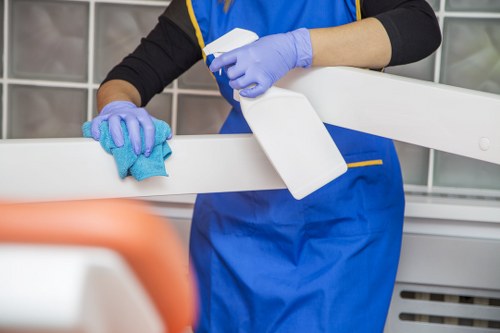
Both professional and DIY methods have value. The best choice depends on the condition of the carpet, the size of the area, and the results you want. Many homeowners use a combination of the two.
When DIY Carpet Cleaning Works Well
DIY carpet cleaning is useful for routine maintenance and small spills. A good vacuum, a spot cleaner, and basic stain treatment products can go a long way in keeping carpets looking presentable. DIY care is also helpful for quick touch-ups between deeper cleanings.
Here are a few situations where DIY carpet cleaning is often enough:
- Light surface dust and debris
- Small, fresh spills
- Maintenance between professional visits
- Low-traffic rooms with minimal staining
When Professional Carpet Cleaning Is the Better Choice
Professional carpet cleaning becomes more valuable when carpets are heavily soiled, stained, or odorous. Professionals use stronger equipment, specialized products, and experience to target problems that household tools cannot fully solve. They can also assess fiber type and choose the safest cleaning process.
Professional carpet cleaning is often the smarter option for:
- Deep-set dirt and allergens
- Large homes or commercial spaces
- Persistent stains and odors
- Delicate or high-value carpet materials
For best results, many property owners schedule professional carpet cleaning at least once or twice a year, with more frequent service in busy environments.
Best Practices for Ongoing Carpet Maintenance
Good maintenance extends the value of any carpet cleaning service. With a few simple habits, you can keep carpets cleaner for longer and reduce the buildup of dirt between deep cleans.
Vacuum Consistently
Vacuuming is the foundation of carpet care. It removes loose dirt before it sinks deep into fibers. High-traffic areas may need vacuuming several times a week, while less-used rooms may only need weekly attention. Using the right vacuum setting for your carpet type also helps preserve the pile.
Focus on Entry Points and Walkways
Doorways, hallways, and common pathways collect the most debris. Spending extra time on these areas improves overall carpet appearance and reduces wear.
Treat Spills Quickly
When spills happen, blot the area with a clean cloth instead of rubbing it. Rubbing can push the stain deeper into the fibers. A gentle cleaning solution may help lift the spill before it sets. Fast action can make future carpet cleaning much easier.
Use Mats and Shoe-Free Policies
Placing mats at entrances reduces the amount of dirt entering the room. A shoe-free policy can also cut down on soil, oils, and outdoor debris. These simple habits support cleaner carpets and less frequent deep cleaning needs.
Rotate Furniture When Possible
Moving furniture occasionally helps prevent permanent flattening in certain areas. Even small changes in layout can reduce pressure points and make the carpet wear more evenly.
How Often Should Carpet Cleaning Be Done?
The ideal carpet cleaning schedule depends on how the space is used. A busy household with pets and children will need more frequent cleaning than a low-traffic apartment or guest room. In commercial environments, the schedule may need to be even more regular.
As a general rule, vacuuming should be done weekly or more often, while deep carpet cleaning is commonly recommended every 6 to 12 months. Homes with allergies, pets, or heavy traffic may benefit from cleaning every 3 to 6 months. Offices, retail areas, and public spaces often need scheduled maintenance more frequently.
Rather than waiting until carpets look visibly dirty, it is better to use a preventive approach. Regular carpet cleaning helps stop buildup before it becomes a larger problem. This leads to better appearance, improved hygiene, and less stress in the long run.
Choosing the Right Carpet Cleaning Approach for Different Carpet Types
Not every carpet responds the same way to moisture, heat, or cleaning chemicals. Fiber content, weave, and backing materials all affect the best carpet cleaning method. Understanding these differences protects the carpet and improves results.
Wool Carpets
Wool is durable and naturally resilient, but it requires careful treatment. Harsh chemicals or excessive moisture can damage the fiber. Gentle carpet cleaning methods are usually preferred, especially when dealing with stains or delicate rugs.
Synthetic Carpets
Synthetic fibers such as nylon, polyester, and olefin are common in homes and businesses because they are practical and often more stain resistant. These carpets usually handle a wider range of carpet cleaning methods, including hot water extraction.
Commercial Carpet Tiles
Carpet tiles are common in offices and commercial spaces because they are durable and easy to replace in small sections. They still require regular carpet cleaning, especially in entrances and corridors where dirt accumulates quickly.
Before using any cleaning product, it is wise to test it in a small hidden area. This simple step helps prevent discoloration and ensures the chosen carpet cleaning method is appropriate.
Stain Removal Tips That Support Better Carpet Cleaning Results
Stain removal is one of the most requested parts of carpet cleaning, and for good reason. Some spills are easy to manage, while others need more patience. The sooner you act, the higher the chance of success.
- Blot the spill gently using a clean, absorbent cloth.
- Work from the outside of the stain inward to avoid spreading it.
- Use a carpet-safe cleaner designed for the type of stain.
- Rinse lightly if needed, then blot again to remove residue.
- Allow the carpet to dry fully before walking on it.
Different stains may require different treatments. For example, grease, wine, and pet accidents do not respond the same way. That is why many property owners prefer professional carpet cleaning for stubborn or recurring stains. A targeted method often saves time and produces better results than repeated guesswork.
What to Expect from a Professional Carpet Cleaning Service
Professional carpet cleaning usually begins with a full inspection of the carpet condition. The cleaner identifies high-traffic zones, visible stains, and any special concerns such as pet odor or delicate fibers. This helps determine the most effective treatment.
Next, the carpet is often pre-treated to loosen dirt and stains. Then the chosen cleaning method is applied, followed by extraction or drying steps depending on the process used. In many cases, furniture may be carefully moved or protected during the service.
A quality carpet cleaning service should aim for more than surface improvement. The goal is to remove deep soil, reduce odors, and refresh the overall look and feel of the room. Many customers notice that carpets feel softer and smell cleaner immediately after the job is complete.
Why Carpet Cleaning Is a Smart Investment
Carpet replacement can be expensive, especially in large homes or commercial spaces. Regular carpet cleaning helps delay that cost by preserving the fibers and keeping the flooring in better condition. This makes it one of the most practical maintenance decisions for property owners.
There is also a visual benefit. Clean carpets improve the overall atmosphere of a room and help furniture, walls, and décor stand out more attractively. Whether you are preparing for visitors, maintaining a rental property, or simply improving your home environment, carpet cleaning offers immediate value.
In addition, the comfort factor should not be overlooked. A freshly cleaned carpet can make a room feel more inviting, more orderly, and more pleasant to spend time in. That everyday difference is one reason so many people prioritize carpet cleaning as part of their routine home care.
Practical Tips to Keep Carpets Looking Better Longer
Long-lasting carpet beauty depends on smart habits and consistent care. These simple actions can help reduce damage between cleaning appointments.
- Vacuum regularly to remove loose soil and grit.
- Address spills immediately before they settle.
- Use entrance mats to trap dirt at the door.
- Schedule professional carpet cleaning on a routine basis.
- Avoid harsh scrubbing that can damage fibers.
- Keep indoor humidity controlled to reduce moisture-related issues.
These habits do not take much time, but they can make a major difference in carpet appearance and longevity. When paired with periodic deep carpet cleaning, they help keep flooring fresh and resilient.
When It Is Time to Act
If your carpet looks dull, smells stale, or feels sticky even after vacuuming, it may be time for deeper treatment. The same applies if stains keep reappearing or if allergies seem worse indoors. These are all signs that carpet cleaning should not be delayed.
Contact us today if you want cleaner, fresher carpets that support a healthier space. Book your service now and take the first step toward a more polished home or business environment.
Final Thoughts on Carpet Cleaning
Carpet cleaning is one of the most valuable maintenance steps for homes and businesses alike. It improves appearance, supports indoor air quality, reduces odors, and helps preserve flooring for the long term. With a balanced approach that includes regular vacuuming, prompt stain care, and periodic deep cleaning, carpets can stay attractive and comfortable for years.
Whether you choose DIY maintenance or professional service, the key is consistency. Carpets naturally collect dirt and debris, so waiting too long between cleanings only makes the job harder. By keeping up with proper carpet cleaning habits, you protect both your flooring investment and the comfort of your space.
Clean carpets make a strong impression. They help create a healthier environment, a more inviting atmosphere, and a more polished overall look. If you are ready to improve your floors, make carpet care a priority today.