Communal Area Cleaning: Creating Cleaner, Healthier Shared Spaces
Communal area cleaning plays a vital role in keeping shared environments safe, attractive, and comfortable for everyone who uses them. Whether it is an apartment building, office block, residential complex, student accommodation, or mixed-use property, well-maintained common spaces leave a strong first impression and support the daily wellbeing of residents, employees, visitors, and customers. When communal area cleaning is done properly, the entire property feels more welcoming, more organized, and easier to manage.
In many buildings, communal spaces are used constantly. Hallways, stairwells, lobbies, elevators, reception areas, shared kitchens, washrooms, entrances, and corridors all experience heavy foot traffic. Because of that, these spaces can quickly collect dust, dirt, fingerprints, litter, and germs. A reliable communal area cleaning routine helps prevent buildup, reduces unpleasant odors, and supports better hygiene throughout the property.
Property managers, landlords, homeowners’ associations, facilities teams, and business owners all benefit from investing in consistent communal area cleaning. It is not only about appearance; it is also about safety, compliance, and long-term maintenance. Clean shared areas can reduce slip hazards, discourage pest activity, and help surfaces last longer. In short, good cleaning habits protect both people and property.
Why Communal Area Cleaning Matters

Communal area cleaning is important because shared spaces are exposed to more wear and contamination than private rooms. Every person who passes through a corridor or touches a handrail contributes to the overall level of dirt and bacteria in that area. Without regular attention, common spaces can quickly become unhygienic and visually unappealing.
From a practical perspective, professional communal area cleaning improves the daily experience for everyone in the building. Clean floors reduce the chance of accidents, polished surfaces create a sense of order, and properly maintained entrances help people feel secure and valued. In residential settings, residents often judge the quality of management based on the condition of the communal areas.
There is also a strong financial reason to prioritize communal area cleaning. Dirt and grime can damage carpets, floors, fixtures, and fittings over time. Regular cleaning protects these assets and may reduce repair or replacement costs. When a building is well cared for, it tends to retain value more effectively, which matters to both owners and tenants.
Key Areas That Need Regular Attention
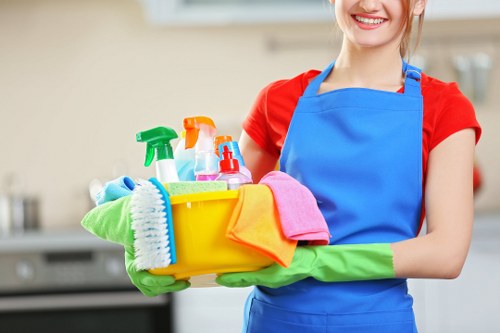
Every property is different, but most communal area cleaning schedules should cover a set of high-use zones. These are the areas most likely to accumulate dirt, fingerprints, and bacteria. Paying close attention to them helps maintain a consistently clean environment.
- Entrances and lobbies: These areas create the first impression and collect dirt from shoes, weather, and deliveries.
- Hallways and corridors: Frequently touched surfaces, dust, and marks often build up here.
- Stairwells: Dust, litter, cobwebs, and safety risks can accumulate quickly.
- Elevators: Buttons, mirrors, doors, and floors need frequent wiping and sanitizing.
- Shared kitchens: Food debris and spills can create hygiene issues if not cleaned promptly.
- Shared washrooms: These require strict attention to sanitation and replenishment of supplies.
- Reception areas: Desks, seating, glass, and entry points should remain spotless.
- Bin stores and waste points: These often need deodorizing, sweeping, and disinfection.
Communal area cleaning should be tailored to the type of building. A busy office building may need more frequent floor care and sanitization, while an apartment complex might need daily spot cleaning and weekly deep cleaning. The goal is to maintain cleanliness levels that match foot traffic and usage patterns.
It is also wise to assess seasonal changes. In wet or muddy weather, entrances may need more frequent mat cleaning and mopping. In warmer months, waste areas may require extra attention to prevent odors and pests. Flexible cleaning plans make communal area cleaning more effective all year round.
Benefits of Professional Communal Area Cleaning
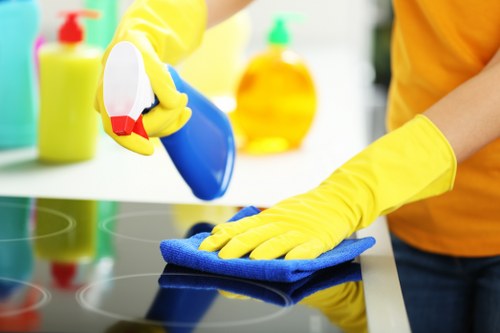
While some minor maintenance can be handled in-house, professional communal area cleaning offers a higher standard of hygiene and consistency. Trained cleaners know how to work efficiently in shared environments while respecting residents, tenants, and staff. They also understand which products and techniques are best for different surfaces and situations.
One major benefit is consistency. A professional service follows a set schedule and detailed checklist, ensuring that no area is overlooked. This reliability is especially valuable in buildings where many people depend on shared facilities every day. With professional communal area cleaning, the environment stays clean rather than simply being cleaned occasionally.
Another advantage is improved health and safety. Cleaners can remove allergens, dust, bacteria, and spill hazards more effectively when they use appropriate equipment and methods. This can be especially important in buildings with elderly residents, children, or people with respiratory sensitivities. Cleaner air, cleaner touchpoints, and cleaner floors all contribute to a better experience.
Additional advantages include:
- Reduced maintenance issues caused by dirt buildup
- Better odor control in shared areas
- More professional-looking premises
- Improved tenant satisfaction and retention
- Support for building compliance and hygiene standards
For property owners and managers, outsourcing communal area cleaning can also save time. Instead of coordinating ad hoc cleaning tasks, they can rely on a structured service that keeps everything in order. This allows management teams to focus on higher-priority responsibilities while still maintaining a high standard of presentation.
What a Good Communal Area Cleaning Schedule Includes

A strong communal area cleaning schedule should be detailed, practical, and adapted to the property’s needs. It should identify which tasks are completed daily, weekly, monthly, and occasionally as part of a deeper clean. This approach ensures that both visible dirt and hidden buildup are addressed properly.
Daily communal area cleaning often includes sweeping, vacuuming, mopping, touchpoint disinfection, bin emptying, and the removal of visible litter. In higher-traffic properties, these tasks may need to be completed more than once per day. Daily checks are especially useful in entrances, washrooms, and elevator lobbies.
Weekly tasks might include polishing hard floors, cleaning glass panels, wiping skirting boards, washing bins, deep-cleaning stair rails, and checking corners or high shelves for dust. Monthly tasks may involve more intensive work such as machine scrubbing, carpet extraction, and detailed sanitation of communal kitchens or washrooms.
Examples of scheduled cleaning tasks
- Dust all reachable surfaces and ledges
- Vacuum carpets and rugs thoroughly
- Mop hard floors with appropriate cleaning solutions
- Disinfect handles, buttons, switches, and rails
- Clean glass doors, mirrors, and entrance panels
- Empty and sanitize bins
- Remove cobwebs and debris from corners and ceilings
- Check for spills, damage, or maintenance concerns
The best communal area cleaning schedules are not overly rigid. They allow for extra visits when needed, such as after bad weather, construction work, events, or unusually heavy foot traffic. Consistency matters, but responsiveness matters too.
Best Practices for Effective Communal Area Cleaning
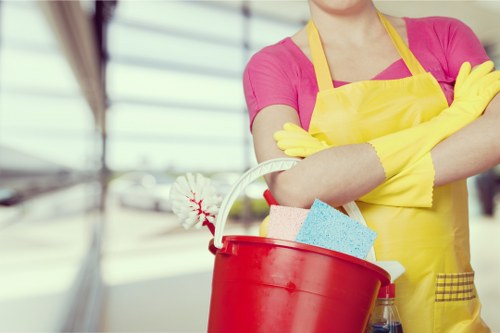
To get the best results from communal area cleaning, the process should be organized around standards, safety, and attention to detail. A clean building is not just the result of effort; it is the result of a smart system. The following best practices can help maintain strong results over time.
1. Use the right products for each surface
Different floors, fixtures, and fittings need different cleaning solutions. For example, harsh chemicals may damage natural stone, while the wrong mop solution can leave streaks on polished surfaces. Using suitable products protects materials and delivers better results. Surface-specific care is essential in professional communal area cleaning.
2. Focus on high-touch points
Door handles, handrails, elevator buttons, light switches, intercoms, and reception counters are all touched frequently. These should be wiped and disinfected regularly because they can spread dirt and germs quickly. A good communal area cleaning routine always prioritizes these contact points.
3. Clean from top to bottom
Working from higher surfaces down to the floors helps prevent dust from falling onto already-cleaned areas. This simple principle improves efficiency and reduces the need to repeat tasks. It is one of the most effective habits in any communal area cleaning workflow.
4. Pay attention to details
Small details matter. Skirting boards, corners, behind doors, under furniture, and around bins are often missed, but they affect the overall quality of the space. Well-executed communal area cleaning should leave no obvious signs of neglect.
5. Keep supplies stocked
Soap, paper towels, toilet tissue, hand sanitizer, and waste bags should be monitored carefully. An attractive and hygienic communal area can still feel poorly managed if essential consumables run out. Stock control is part of a professional cleaning approach.
When these best practices are followed, communal area cleaning becomes more efficient, more visible, and more effective. The building looks better, smells fresher, and feels more comfortable for daily users.
How Communal Area Cleaning Supports Health and Hygiene
Shared spaces can easily become places where germs and allergens spread if they are not maintained properly. Communal area cleaning helps reduce the presence of bacteria, viruses, dust mites, mold spores, and other unwanted contaminants. This is especially important in buildings with enclosed spaces and shared touchpoints.
Regular vacuuming and mopping remove dust and debris that may trigger allergies or respiratory discomfort. Sanitizing frequently touched surfaces can reduce the spread of illness in office blocks, apartment buildings, and other shared environments. In this way, communal area cleaning contributes directly to healthier living and working conditions.
Good cleaning also helps control moisture and odors. Spills left unattended can lead to slippery floors, stains, or even mold growth. Waste areas that are not cleaned correctly can attract insects and create unpleasant smells. A dependable communal area cleaning routine minimizes these risks and supports a fresher environment overall.
Choosing the Right Communal Area Cleaning Service
Selecting the right cleaning provider can make a significant difference to the quality of the results. A reputable service should understand the specific needs of communal area cleaning and be able to tailor its work accordingly. This means assessing the building type, foot traffic, schedule, and key problem areas before starting.
When comparing options, look for experience, flexibility, and clear communication. The provider should offer a detailed scope of work and be willing to adapt the plan as the building changes. It is also useful to ask whether they can handle emergency cleans, holiday cover, deep cleaning, and periodic extra tasks.
Things to look for in a cleaning provider
- Trained and supervised staff
- Reliable scheduling and attendance
- Clear task checklists
- Health and safety awareness
- Eco-friendly product options if needed
- Ability to handle different surface types
- Good reputation for communal area cleaning
Communication is also crucial. A strong cleaning provider should be easy to brief and easy to review. If there is a problem, it should be addressed promptly. Transparent service standards help ensure long-term success and reduce misunderstandings.
Common Challenges in Communal Area Cleaning
Although communal area cleaning is essential, it can come with practical challenges. Buildings are often busy, and cleaning teams must work around residents, guests, deliveries, and employees. Timing is important because cleaners need access without causing disruption. That is why well-planned schedules are so valuable.
Another challenge is inconsistent use. Some areas may be heavily trafficked while others are used only occasionally, which means cleaning requirements can vary widely. A shared laundry room, for example, may need a different approach from a rarely used meeting corridor. The best communal area cleaning plans account for this variation.
Vandalism, misuse, and accidental damage can also affect cleanliness. Overflowing bins, spills, smoke damage, graffiti, and food waste may require immediate attention. In such cases, a responsive team is essential. Communal area cleaning works best when it is supported by monitoring and quick intervention.
Practical ways to reduce cleaning challenges
- Set clear schedules and access arrangements
- Use signs to discourage littering and misuse
- Install effective matting near entrances
- Provide enough bins in convenient locations
- Carry out regular inspections
- Report maintenance issues quickly
Why Presentation Matters in Shared Spaces
People notice the condition of communal spaces immediately. A clean entrance can make a building feel well managed before anyone even speaks to a staff member. Likewise, a dusty hallway or dirty stairwell can create a poor impression that is hard to reverse. This is why communal area cleaning is closely tied to overall property presentation.
For residential blocks, presentation affects how residents feel about their home. For offices, it influences employee morale and visitor confidence. For commercial properties, it can affect brand image and customer expectations. In every case, the condition of the shared space sends a message about standards and care.
Well-presented communal areas can also support community pride. When people see that a building is maintained regularly, they are more likely to respect the space themselves. Clean surroundings often encourage cleaner behavior, which creates a positive cycle. This is one of the hidden strengths of effective communal area cleaning.
Eco-Friendly Approaches to Communal Area Cleaning
Modern communal area cleaning can also be more environmentally conscious. Many properties now prefer cleaning methods that reduce waste, conserve water, and limit harsh chemical use. Eco-friendly cleaning does not have to mean weaker results; in fact, it often supports healthier indoor environments.
Microfiber cloths, correctly diluted products, low-water mopping systems, and reusable tools can reduce environmental impact while maintaining high standards. Choosing biodegradable or low-toxicity products may also be helpful in spaces used by children, pets, or sensitive individuals. Sustainable communal area cleaning is increasingly popular because it balances performance with responsibility.
Another useful practice is reducing unnecessary waste from consumables. For example, controlled dispensing systems and efficient stock management can prevent overuse. A thoughtful cleaning plan can support both cleanliness and sustainability at the same time.
Eco-friendly ideas to consider
- Use refillable dispensers where possible
- Choose concentrated products to reduce packaging
- Train staff to use the correct dosage
- Opt for energy-efficient equipment
- Recycle waste responsibly
Frequently Overlooked Areas in Communal Area Cleaning
Some spaces are easy to miss, especially in larger buildings. Yet these overlooked spots can quickly affect the overall cleanliness of the property. Careful communal area cleaning should include areas that are not always visible at first glance.
Examples include behind radiators, beneath stair treads, around lift tracks, along window sills, near door closers, and under benches. Dust and debris can gather in these locations and slowly reduce the quality of the environment. Regular inspections help identify these spots before they become a bigger issue.
It is also worth checking less obvious touchpoints such as mailboxes, parcel shelves, shared noticeboards, and internal glass. These surfaces may not seem major, but they contribute to how polished and cared-for the space feels. Thorough communal area cleaning leaves a stronger impression because it addresses the full environment, not just the obvious parts.
Building a Long-Term Cleaning Standard
The best communal area cleaning strategy is one that lasts. Instead of relying on occasional deep cleans, properties benefit from a steady standard that is maintained all year. Long-term consistency keeps the space presentable and reduces the chance of major problems developing.
To build that standard, properties should combine regular cleaning, routine inspections, clear expectations, and responsive follow-up. Management and cleaning teams should understand what “good” looks like and work toward that benchmark every day. This creates accountability and reliability.
Over time, a strong cleaning standard becomes part of the building’s identity. Residents, tenants, and visitors begin to expect well-kept spaces, which encourages better behavior and stronger satisfaction. That is the long-term value of investing in communal area cleaning.
Final Thoughts on Communal Area Cleaning
Communal area cleaning is essential for maintaining safe, healthy, and attractive shared spaces. It protects surfaces, reduces risks, improves comfort, and helps a property make the right impression. Whether the building is residential, commercial, or mixed-use, the quality of its common areas reflects the level of care behind it.
With a clear schedule, the right products, trained staff, and a focus on detail, communal area cleaning can transform how a property looks and feels. It is one of the most practical investments a building owner or manager can make because the benefits are visible every day. From lobbies to stairwells, from elevators to waste areas, every cleaned space contributes to a better environment.
If your property needs a higher cleaning standard, now is the time to act. Contact us today to improve shared space hygiene and presentation, or book your service now to keep your communal areas looking their best. Clean communal spaces do more than shine — they support a better experience for everyone who walks through the door.