Deep Cleaning in the Modern Home: A Practical Approach to a Fresher, Healthier Space
Deep cleaning is more than a quick tidy-up or a standard weekly wipe-down. It is a focused, detailed process that reaches the hidden corners, neglected surfaces, and built-up grime that routine cleaning often misses. Whether you are preparing for a seasonal reset, moving into a new place, or simply wanting a cleaner environment, deep cleaning can transform how your home looks, feels, and functions.
Many people search for deep cleaning when normal cleaning routines are no longer enough. That is because dust, grease, pet hair, soap scum, and bacteria naturally accumulate in homes over time. With a structured approach, deep cleaning helps restore order, improve indoor air quality, and create a healthier living space for everyone inside.
Unlike surface cleaning, which focuses on visible messes, deep cleaning targets the buildup behind furniture, under appliances, inside cabinets, around fixtures, and in other overlooked areas. It is a more thorough process, but it is also highly rewarding. The result is not only a cleaner home but also a more comfortable one.
What Deep Cleaning Really Means
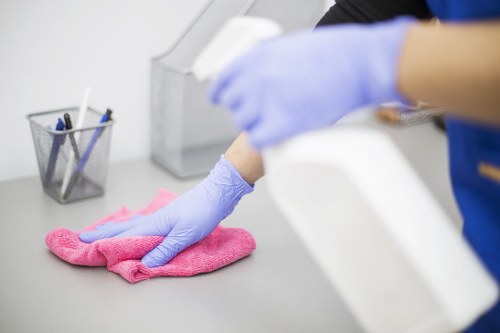
Deep cleaning refers to the detailed cleaning of a home or commercial space beyond the everyday tasks of sweeping, dusting, and wiping counters. It often involves scrubbing, degreasing, disinfecting, and organizing areas that tend to be forgotten during routine maintenance. For many households, deep cleaning is done seasonally, before special events, or when a space needs a major refresh.
In practical terms, deep cleaning in homes means paying attention to every room, from top to bottom. Ceiling fans, baseboards, grout lines, window tracks, vents, and appliance interiors all become part of the process. These are the places where dirt quietly gathers and where ordinary cleaning usually falls short.
One of the biggest benefits of deep cleaning is that it resets the space. Once built-up dust and residue are removed, regular cleaning becomes easier and more effective. Surfaces stay cleaner longer, and the whole home feels lighter and more hygienic.
Why Deep Cleaning Matters
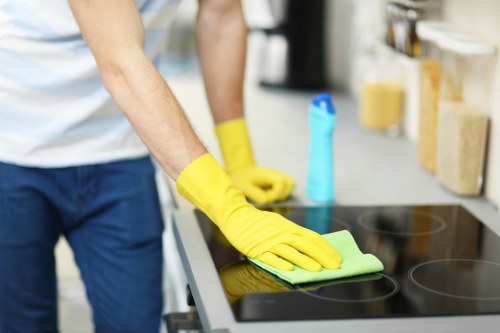
There are several reasons why deep cleaning deserves attention. The first is hygiene. Homes naturally collect bacteria, allergens, and pollutants, especially in kitchens, bathrooms, and high-traffic rooms. A thorough cleaning routine helps reduce these contaminants and supports a healthier indoor environment.
The second reason is maintenance. Dirt and grime can damage surfaces over time. Grease can stain cabinets, soap scum can dull tiles, and dust can affect vents and electronics. Regular deep cleaning preserves finishes and extends the life of materials and appliances.
The third reason is comfort. A deeply cleaned home simply feels better. It looks brighter, smells fresher, and creates a sense of calm. For busy families, professionals, renters, and homeowners alike, this can make a meaningful difference in daily living.
When Deep Cleaning Is Most Useful
There is no single rule for when deep cleaning should happen, but certain moments make it especially valuable. Many people choose to deep clean at the start of spring or fall, after renovations, before hosting guests, or when moving in or out of a property. These moments create the perfect opportunity to refresh the space from top to bottom.
It is also wise to schedule deep cleaning in homes with pets, children, or frequent visitors more often. Busy households naturally produce more mess, and hidden buildup can appear quickly. A regular deep cleaning routine can help keep these homes more manageable and sanitary.
Here are some common times to prioritize deep cleaning:
- Seasonal changes, especially spring and fall
- After a party or family gathering
- Before or after moving
- After home renovation or construction work
- When allergy symptoms seem worse indoors
- Whenever the home feels cluttered or stale
Deep Cleaning vs. Regular Cleaning

Regular cleaning focuses on maintenance. It includes everyday tasks such as vacuuming, wiping counters, washing dishes, and cleaning bathrooms at a surface level. This keeps a home looking presentable, but it does not always address the deeper layers of dirt and residue that build up over time.
Deep cleaning, by contrast, is more detailed and more intensive. It often includes tasks such as cleaning behind appliances, scrubbing tile grout, washing walls, sanitizing trash cans, and removing scale from taps and showerheads. These are tasks that go beyond routine upkeep and require more time and attention.
In short, regular cleaning maintains the home, while deep cleaning restores it. Both are important, but they serve different purposes. When used together, they create a more complete and effective household care routine.
Room-by-Room Deep Cleaning Priorities
A smart deep cleaning plan focuses on each room individually. This keeps the process organized and ensures no area is overlooked. Different spaces require different methods, products, and priorities.
Kitchen
The kitchen is one of the most important areas for deep cleaning in any home because it combines food, moisture, and frequent use. Grease, crumbs, and bacteria can accumulate quickly.
- Clean inside and outside of cabinets
- Degrease stovetops, range hoods, and backsplash tiles
- Wipe down appliance exteriors and interiors
- Scrub sinks, drains, and faucet handles
- Sanitize countertops and drawer pulls
- Clean under and behind large appliances
Bathroom
Bathrooms need extra attention because of humidity, soap residue, and frequent contact with moisture. A proper deep cleaning can help reduce mildew and restore shine.
- Scrub grout and tile surfaces
- Remove limescale from taps and shower screens
- Disinfect toilets, sinks, and handles
- Clean mirrors, vents, and light fixtures
- Wash bath mats and shower curtains
Living Room
Living spaces collect dust, pet hair, and fingerprints, especially on soft furnishings and electronics. Deep cleaning here improves both appearance and comfort.
- Vacuum sofas, cushions, and beneath furniture
- Dust shelves, skirting boards, and décor
- Clean remote controls and light switches
- Wash throws and removable covers
Bedroom Deep Cleaning Tips

Bedrooms are meant to be restful, but they can quietly collect dust, dead skin cells, and clutter. A well-planned deep cleaning routine helps create a calm environment that supports better sleep and relaxation.
Start by stripping the bed and washing all bedding, including duvet covers, pillowcases, and mattress protectors. Vacuum the mattress, clean under the bed, and dust hidden areas such as headboards, lamps, and wardrobe tops. Do not forget to clean closet floors and organize seasonal clothing.
For homes with allergies, deep cleaning in the bedroom is particularly valuable. Reducing dust buildup on fabrics, carpets, and surfaces can make the space feel fresher and more breathable.
Bedroom Focus Areas
Pay special attention to these details during a bedroom reset:
- Rotate or vacuum the mattress
- Wash curtains or blinds
- Dust skirting boards and baseboards
- Clean bedside tables and drawers
- Declutter under-bed storage
How Deep Cleaning Improves Indoor Air Quality
One often overlooked benefit of deep cleaning is the impact it can have on indoor air quality. Dust, pet dander, pollen, and mold spores can settle in carpets, upholstery, air vents, and soft furnishings. When disturbed, these particles circulate through the air and may affect comfort and health.
By removing hidden dust and cleaning air-trapping surfaces, deep cleaning in the home can reduce airborne irritants. This is especially helpful for people with asthma, allergies, or sensitivity to dust. Cleaner vents, vacuumed upholstery, and washed fabrics all contribute to a fresher indoor atmosphere.
Deep cleaning can also reduce odors that linger in fabrics, trash bins, drains, and damp areas. Rather than masking smells, it addresses the source, which is why the result often feels noticeably better.
Tools and Supplies for Effective Deep Cleaning
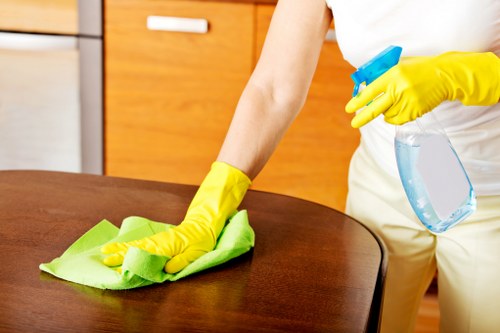
Successful deep cleaning depends on using the right tools. The goal is not to collect a huge number of products, but to choose practical supplies that help tackle different surfaces safely and effectively.
Some of the most useful supplies include microfiber cloths, sponges, scrub brushes, a vacuum with attachments, a mop, rubber gloves, a bucket, and an all-purpose cleaner. For tougher jobs, you may also need a degreaser, glass cleaner, disinfectant, descaler, and baking soda.
It is important to match the product to the material. A cleaner that works well on tile may not be suitable for wood or natural stone. Reading labels and testing products in small areas first can help prevent damage while still delivering a thorough result.
Useful Deep Cleaning Supplies
- Microfiber cloths
- Detail brushes for corners and grout
- Vacuum with hose attachments
- Steam cleaner for certain surfaces
- Disinfectant wipes or sprays
- Non-abrasive scrub pads
- Trash bags and organizing bins
Step-by-Step Deep Cleaning Approach
A structured process makes deep cleaning much easier. Without a plan, it is easy to waste time moving from one task to another. A room-by-room or top-to-bottom method helps keep work organized and efficient.
1. Declutter First
Before cleaning, remove unnecessary items from surfaces, floors, and storage spaces. Clutter can hide dirt and make cleaning more difficult. Organizing first allows you to reach every area properly.
2. Dust From Top to Bottom
Start with higher surfaces such as shelves, fans, and light fixtures, then move downward. This ensures that dust falls to areas that will be cleaned later, rather than resettling on already finished surfaces.
3. Tackle Grease, Soap, and Stains
Apply the right cleaning solution to stubborn buildup. Let it sit when necessary so it can break down residue before scrubbing.
4. Disinfect High-Touch Surfaces
Doorknobs, switches, handles, remotes, and faucets should be sanitized carefully. These areas are often touched throughout the day and deserve extra attention.
5. Finish With Floors and Soft Surfaces
Vacuum carpets, mop hard floors, and clean upholstery last so that dust and debris from earlier work are fully removed.
Common Mistakes to Avoid During Deep Cleaning
Although deep cleaning is highly rewarding, there are some common mistakes that can reduce effectiveness or cause damage. Knowing what to avoid can save time and keep your home safer.
- Using harsh products on delicate surfaces
- Cleaning floors before dusting higher areas
- Forgetting hidden spaces like vents and baseboards
- Rushing through tough stains without letting products work
- Mixing chemicals that should never be combined
- Neglecting to clean tools after use
Another mistake is trying to do everything in one exhausting session. A more realistic strategy is to break the work into zones or tackle one room at a time. That keeps the process manageable and increases the chance of doing it well.
How Often Should Deep Cleaning Happen?
The ideal frequency for deep cleaning depends on lifestyle, household size, pets, and overall usage. A quiet apartment may need it less often than a busy family home, while kitchens and bathrooms generally require more frequent attention than bedrooms or storage areas.
As a general rule, many households benefit from a deep cleaning every three to six months. However, high-traffic homes may need certain areas cleaned more often. For example, the kitchen sink and bathroom grout may need regular deep attention while closets and guest rooms can be refreshed less frequently.
A good way to think about it is this: routine cleaning handles the weekly mess, while deep cleaning clears what has built up over time. If the home starts to look dull, feel sticky, or smell stale, it is usually a sign that deeper cleaning is due.
Deep Cleaning for Different Lifestyles
Not every home has the same cleaning needs. Deep cleaning in a studio apartment looks very different from deep cleaning in a large family home, a rental property, or a home office. Adapting the process to the space is key.
For Families
Homes with children often need special attention to fingerprints, spills, toys, and high-contact surfaces. Focus on durable, safe products and areas that are touched frequently.
For Pet Owners
Pet hair, dander, and odors may require extra vacuuming, upholstery cleaning, and fabric care. Wash pet beds and clean feeding areas regularly as part of a broader deep cleaning routine.
For Renters
Renters may use deep cleaning before moving out, after moving in, or whenever a property needs a refresh. Clean appliances, bathrooms, and storage spaces thoroughly to keep the home in great condition.
For Busy Professionals
If time is limited, breaking the process into small tasks over several days can make deep cleaning easier to fit into a schedule. Even two focused hours can make a meaningful difference if used strategically.
Why Deep Cleaning Supports Long-Term Home Care
Deep cleaning is not just about appearance. It supports the long-term condition of a home. When dirt is removed before it becomes embedded, surfaces last longer and rooms stay easier to maintain. This reduces the amount of effort needed for future cleaning sessions.
It also creates a better foundation for organization. Once hidden grime and clutter are removed, it becomes easier to notice what belongs where and what no longer serves a purpose. In that sense, deep cleaning in a home often leads naturally to better habits and more efficient use of space.
For anyone looking to improve the feel of their home without major renovations, deep cleaning is one of the most effective and affordable ways to do it. It can refresh the space dramatically while protecting your investment in the property.
Professional Deep Cleaning vs. DIY
Some people prefer to handle deep cleaning themselves, while others hire professionals for convenience, expertise, or speed. Both approaches can work well depending on the size of the job and the resources available.
DIY deep cleaning is often ideal for smaller spaces, routine refreshes, and people who enjoy maintaining their homes personally. It offers flexibility and may be more budget-friendly, though it requires time and energy.
Professional deep cleaning in larger homes or heavily used spaces can be especially helpful when the job feels overwhelming. A skilled team typically has the tools, experience, and techniques needed to reach stubborn buildup quickly and thoroughly. If you want a polished result with less effort on your part, book your service now and enjoy a cleaner, more refreshed space.
Final Thoughts on Deep Cleaning
Deep cleaning is one of the smartest ways to protect, refresh, and enjoy your home. It goes beyond surface-level maintenance and addresses the buildup that affects hygiene, comfort, and long-term care. Whether you do it yourself or bring in professionals, the benefits are clear.
A well-planned deep cleaning routine improves the look of every room, supports healthier indoor air, and makes daily cleaning easier. It also creates a more inviting environment for family, guests, and anyone else who spends time in the space.
If your home is ready for a reset, now is the perfect time to take action. Contact us today or book your service now to get started on a cleaner, fresher, and more comfortable home.